
For electrical contractors and electricians, managing a project has always meant managing labor, materials, schedules, specifications, and customer expectations. In 2026, the supply chain remains another important variable.
The good news is that many of the severe product shortages experienced several years ago have improved. Standard commercial lighting products are generally easier to source today.
But the supply chain hasn’t simply
returned to the way it used to operate.
Certain specialty fixtures, controls, electrical equipment, imported products, and project-specific components can still have extended lead times. Pricing can also change between bid and purchase.
For contractors, the lesson is simple:
Product sourcing needs to begin earlier in the project—not after the job has already been awarded.
The Supply Chain Problem Has Changed
A few years ago, the primary question was:
“Can we get it?”
Today, contractors are more likely to ask:
“How quickly can we get it?”
“Is the quoted price still valid?”
“Is there an equivalent product available sooner?”
“Will the specified product delay the project?”
Standard lighting fixtures and many commodity products are readily available, but specialty fixtures, controls, site poles, custom products, switchgear, transformers, and other project-specific equipment can require considerably more planning.
One long-lead product can affect an otherwise well-planned project.
Pricing Is Part of the Supply Chain Challenge
 Availability isn’t the only concern. Material prices continue to change.
Copper, aluminum, steel, electronic components, tariffs, transportation costs, and imported products can all affect contractor pricing.
A project quoted today may cost more when it’s awarded several months later.
Contractors should pay close attention to:
- Supplier quote expiration dates
- Manufacturer price increases
- Freight charges
- Tariff-related costs
- Product availability
- Costs of alternate products
Understanding how long pricing is valid can help protect margins and prevent surprises.
Manufacturer Flexibility Matters
Commercial lighting offers contractors an advantage: there are often multiple ways to solve the same lighting requirement.
When one manufacturer has a 10- or 12-week lead time, another may have a comparable product available much sooner.
Commercial Lighting Specialties works with more than 400 lighting manufacturers, giving contractors a broad range of options when the original specification creates a pricing, availability, or lead-time problem.
Instead of accepting: “It’s backordered.” The better question is: “What else can we use?”

Early-Buy Strategies Are Becoming More Important
Contractors should consider identifying long-lead products as early as possible and determining whether an early-buy strategy makes sense. Early procurement doesn’t mean buying everything immediately. It means identifying potential problems before they become problems.
 Substitutions Can Protect the Schedule
 Substitutions Can Protect the Schedule
Product substitutions and value engineering aren’t only about reducing costs anymore. They can also protect the project schedule.
A properly selected alternate fixture may provide comparable light output, distribution, wattage, color temperature, appearance, controls compatibility, and warranty—while offering better availability or pricing.
But substitutions need to be evaluated carefully. That’s where lighting expertise becomes important.
Local Inventory Still Matters
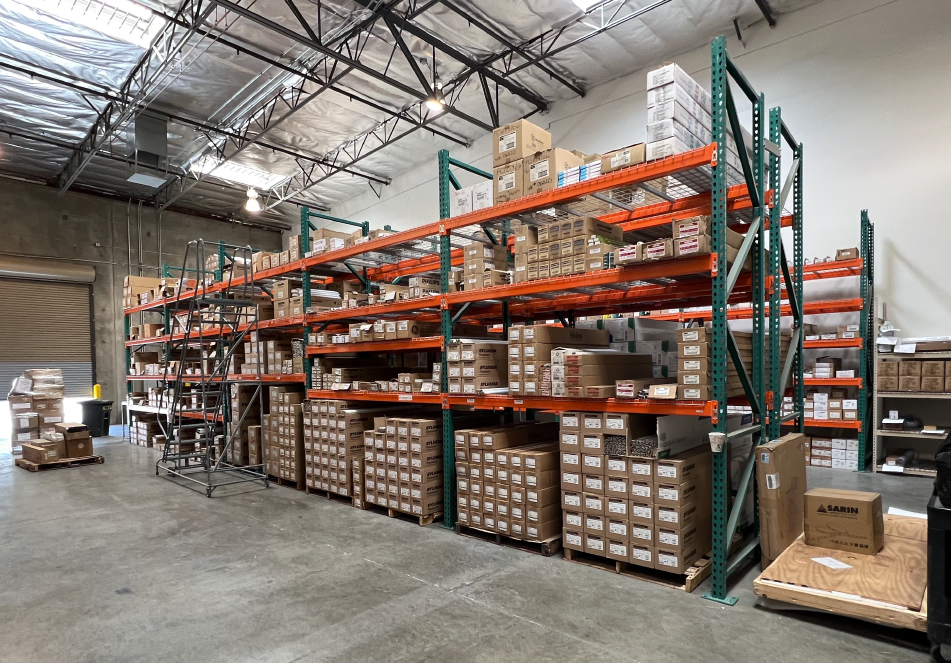
A product sitting in a local warehouse provides something a factory promise cannot:
Immediate availability.
Local inventory can be especially valuable for:
- Service calls
- Fast-track projects
- Change orders
- Last-minute additions
- Replacement lamps and drivers
- Common commercial fixtures
- Retrofit projects
For Las Vegas electrical contractors, having a local lighting resource can help reduce shipping delays and solve unexpected jobsite problems quickly.

Your Lighting Distributor Should
Do More Than Fill Orders
Today’s supply environment requires more than simply quoting whatever appears on a fixture schedule.
A knowledgeable lighting distributor should help contractors evaluate availability, identify alternatives, review specifications, locate difficult products, provide fixture counts, assist with photometrics, and develop practical retrofit solutions.
That’s an important part of what Commercial Lighting Specialties does.
With access to 400+ manufacturers, local inventory, project-based pricing, product alternatives, photometric support, fixture counts, and pre-construction assistance, CLS can become involved before the lighting package is purchased.
- Bring us the plans.
- Bring us the specifications.
- Bring us the fixture schedule.
- Or simply bring us the product you’re having trouble finding.
We’ll help you find the solution.
Start the Lighting Conversation Earlier
Supply-chain conditions will continue to change. Contractors don’t need to predict every change—they need to build more flexibility into how projects are planned and purchased.
Before submitting your next major lighting bid, ask:
Are the fixtures available? How long is the pricing valid? Are there long-lead items? Are equivalent products available?
Starting that conversation early can help protect your schedule, bid, and profitability.
Have a Project Coming Up?
Send Commercial Lighting Specialties your plans, specifications, or fixture schedule.
